What is The Posterior Chain, and Why Does It Matter?
If you train regularly but feel unstable, sore, and stuck in a loop despite your effort, the issue is often not strength, it’s support. More specifically, it’s the posterior chain.
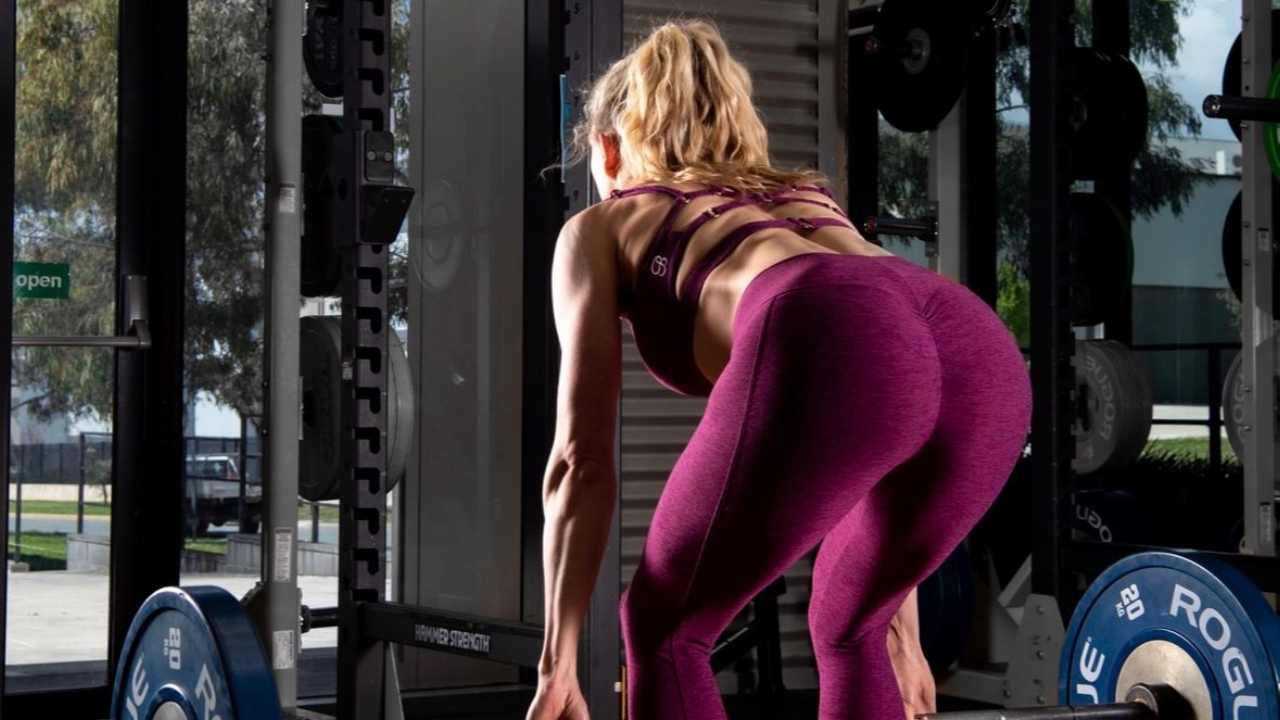
The posterior chain is the system of muscles along the back of the body that allows you to produce force, maintain posture, and move efficiently. When this system is weak, underdeveloped or poorly coordinated, progress is slow and compensations show up very quickly.
This article explains what the posterior chain is, how to tell if it’s not doing its job, and why strengthening it changes everything.
If you want to get straight to the practical ways in which you train the posterior chain, check out my article The Best Posterior Chain Exercises for Women to explore.
What Is the Posterior Chain?
The posterior chain refers to the muscles that run along the back of the body, including:
- Glutes
- Hamstrings
- Back muscles
- Deep abdominals
These muscles don’t work in isolation. They function as a linked system that stabilises the spine, transfers force through the body, and supports efficient movement.
When the posterior chain is functioning well, strength feels solid and controlled. When it isn’t, the body finds workarounds - usually the lower back, hip flexors and shoulders (specifically, the upper traps).
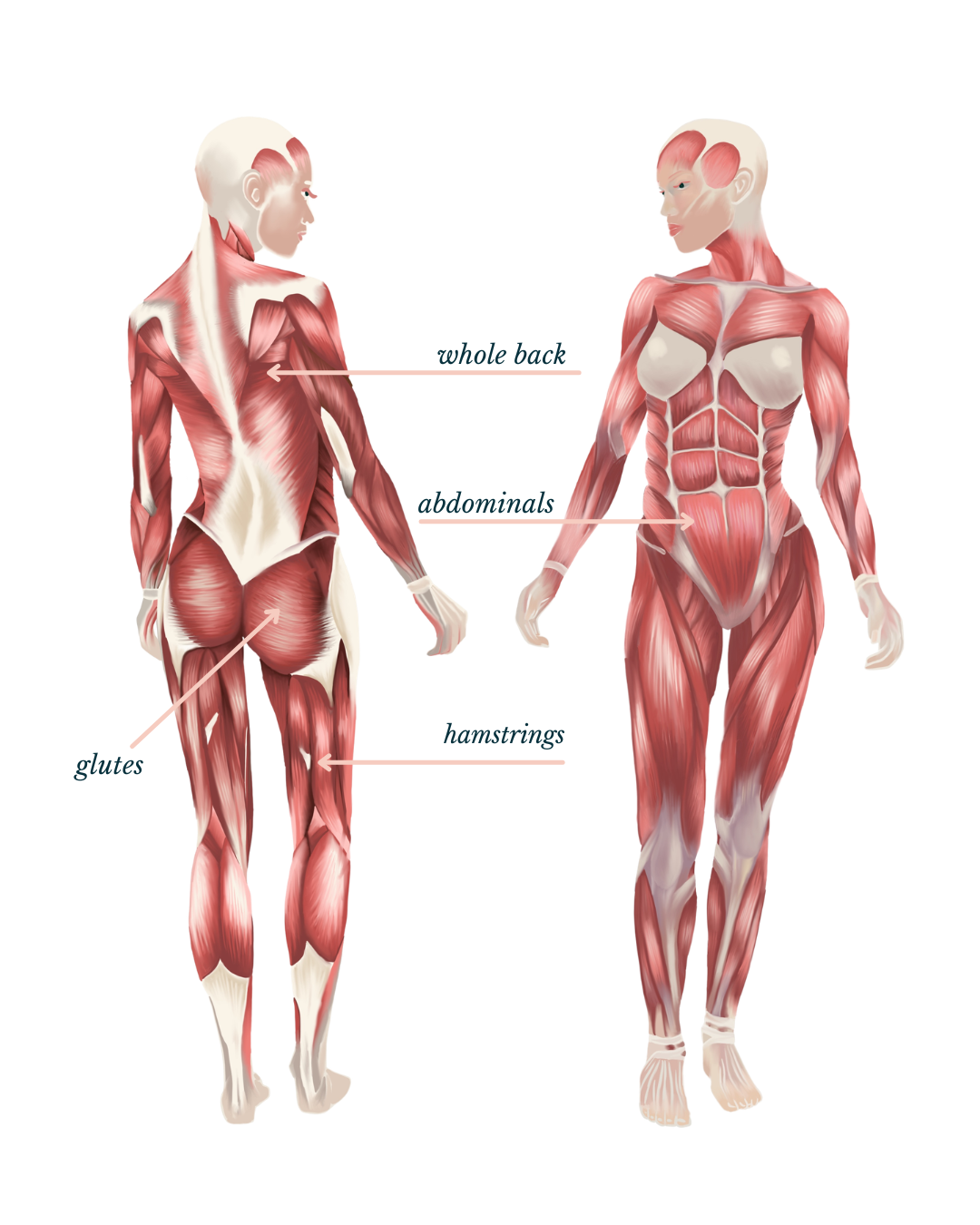 If you want to squat, deadlift, lunge and hip thrust in the gym, you'll need to build up your posterior chain strength in order to be successful in those movements. Click here to learn more about those exercises.
Why Posterior Chain Weakness Is So Common
Most people spend their day seated, folded forward, or braced through the front of the body. Over time, this creates a pattern where:
- The front of the body becomes dominant
- The back of the body becomes under‑recruited
- Movement relies on joints instead of muscle
In practice, this shows up as:
- Knee, hip, or lower‑back pain
- Poor glute engagement (you don't 'feel' them)
- Tension through the neck and shoulders
- Difficulty progressing in compound lifts
Many people train hard on top of these patterns, which does increase strength in the body overall, but eventually leads to plateaus, pain, or injury.
Additionally, as girls go through puberty these weakness exacerbated through continued activity on a weakened structure. To read more about this check out my article: How to Dramatically Reduce Injury Risk in Sports, as it covers another aspect of posterior chain weakness in detail.
Signs Your Posterior Chain Isn’t Doing Its Job
You may have posterior chain weakness if:
- Your knees collapse inward when squatting or lunging
- You feel movements in your lower back or hip flexors instead of glutes or hamstrings
- Your neck or upper traps dominate upper‑body exercises
- Your core work loads hips or thighs more than abdominals
- Posture feels difficult to maintain without effort
This is exactly how women show up to their first session, and despite teaching this over the last 15 years and watching the fitness industry explode, it's still being missed - and to get results, it's ideal to fix it.
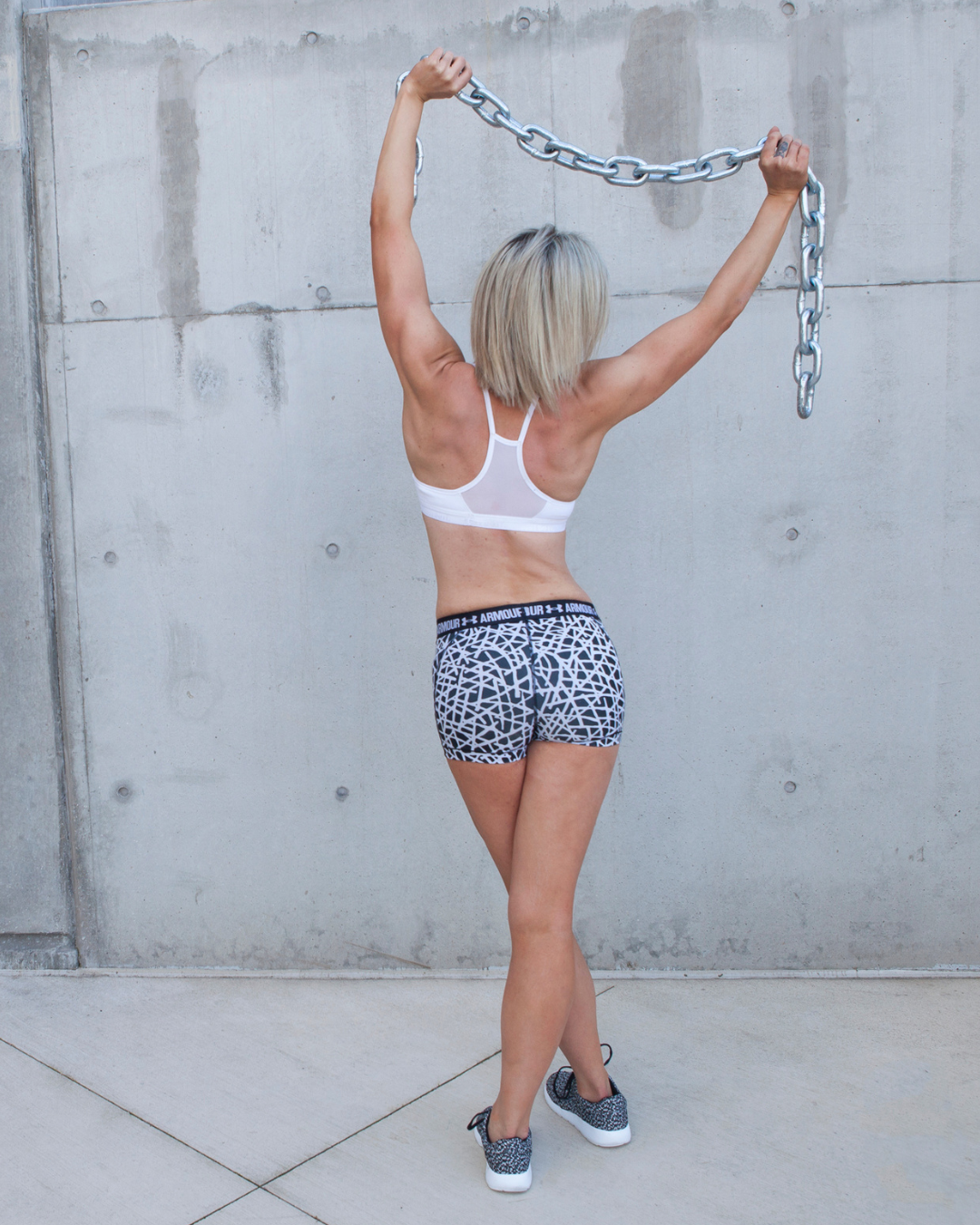
Why This Matters for Strength, Health, and Body Composition
A functioning posterior chain:
- Allows larger muscles to do the work they’re designed for
- Reduces unnecessary joint stress
- Improves posture without conscious effort
- Supports long‑term strength progression
- Improves energy efficiency and nervous‑system output
- Improves performance in every way.
Without it, adding more weight or more volume eventually stops working, as the technique and structural issues are just not allowing the larger muscles do their job properly.
How Posterior Chain Strength Is Actually Built
Strengthening the posterior chain is not about chasing soreness or loading heavy early. It’s about restoring correct muscle recruitment.
That process usually involves:
- Learning where movements should be felt
- Reducing load until technique improves
- Using activation and mobility work strategically
- Progressing to compound movements once coordination is established
When the posterior chain begins to function properly, strength training is easier, not harder, and movement pattern quality goes through the roof (as does your love for the gym, as a strong posterior chain gives back more than you can ever imagine).
Don't Skip This!
If your resistance or cardio training is uncomfortable, unstable, or inconsistent, the posterior chain is often the missing link. Building it properly creates a foundation that makes every other strength goal easier and more sustainable.
Strong movement starts from the back of your body.
For more information on this, check out my longer-form article Accelerate Your Strength By Focussing on the Posterior Chain.
If you're in Canberra or the Gold Coast, check out our Personal Training services.
And if you're wanting to learn online, I have a short course on female strength which will teach you exactly how to do this, and equip you with all the skills to succeed in the gym.
Jen X
Author